How to Choose the Right Private City Tour in Barcelona
Picking a private city tour in Barcelona is less about finding the grandest itinerary and more about matching the day to the way you want to move, learn and spend time. The city rewards slow attention. A narrow lane in the Gothic Quarter can hold more character than a rushed sweep through several landmarks, and a well-timed stop often matters more than squeezing in one more site. Start with the shape of the day, then work through the details that affect comfort, access and value.
Set the purpose before comparing tours
Begin by deciding what the tour needs to achieve. Some visitors want a clear introduction to the city, with the main districts connected in a logical order. Others want a themed route built around architecture, food, history or photography. A family may need shorter walking stretches and regular pauses, while a couple may prefer a quiet route with time for conversation and views.
Write down two or three priorities in plain terms. For example: see La Sagrada Familia without unnecessary waiting, understand the old city beyond the busy streets, avoid long walks in the afternoon heat, or leave enough space for a late lunch. These priorities become your test when routes start to sound similar. A tour that ticks many famous names but ignores your main reason for booking is unlikely to feel right.
Also think about timing. Barcelona can feel very different in the morning, late afternoon and evening. A first tour on arrival works best when it helps you understand the layout of the city and gives you practical bearings. A later tour can focus on atmosphere, lesser-known corners or a district you want to revisit. The right choice depends on the role the tour plays in the wider trip.
Choose the format that suits your group
Private tours come in several forms, and the best fit depends on mobility, group size and the level of personal attention wanted. A walking tour gives close contact with the city and works well in dense areas such as the old centre. A vehicle-based option reduces time spent between neighbourhoods and can help when the group includes older travellers or young children. A mixed route, with short drives and short walks, often balances coverage with time on the ground.
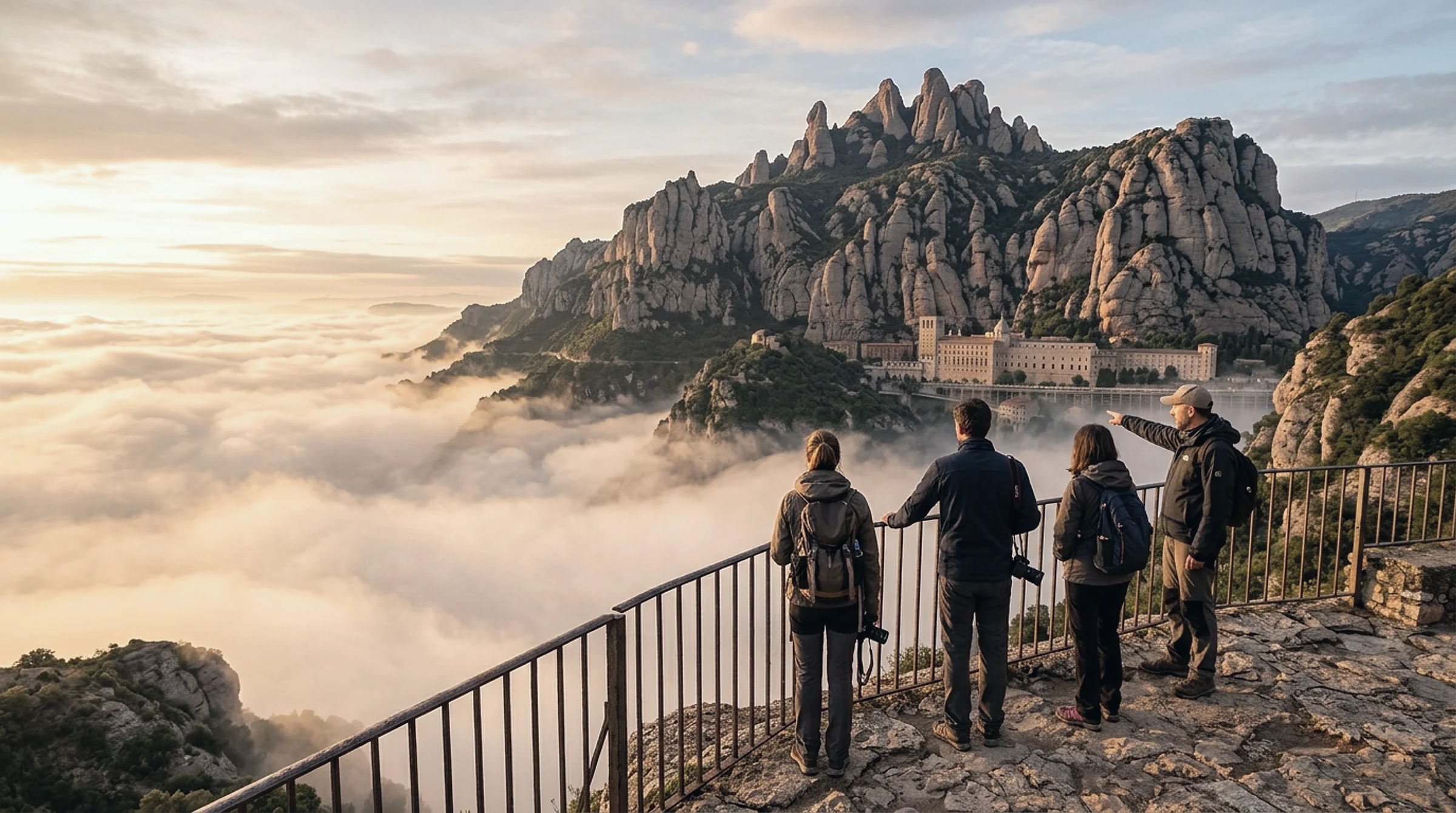
Check how the route handles meeting points and transitions. A plan that starts in one district and ends near a metro station or a central square is easier to fold into the rest of the day. If the route includes Park Güell or La Sagrada Familia, ask how entry, waiting and movement between stops are handled. A landmark visit can take longer than expected, so a good plan leaves room around it rather than treating it as a quick photo stop.
The number of people matters too. A small group can turn into a roomy car or van, but the route still needs enough space for everyone to hear and see clearly. If the group includes different ages or interests, look for a plan that allows short pauses and flexible pacing. The aim is not to keep everyone occupied every minute, but to make the day feel easy.
Read the route with a practical eye
Once you have a shortlist, read each itinerary as a sequence rather than a list of attractions. Notice where the tour begins, how long each stop is described, and whether travel time is included in the overall duration. A route that names many sites may still work if distances are short and the pace is calm. A shorter route may be a better choice if it gives real time to each place.
Look for signs of thoughtful design. guided walking routes that connect streets, squares and buildings in a clear story tend to feel more coherent than a sequence of disconnected photo stops. A route through the Gothic Quarter, for instance, can cover a cathedral, a quiet courtyard and a narrow medieval street in a way that helps the district make sense. That kind of structure is useful when the city is new to you.
When comparing private city tours barcelona, pay attention to how each option handles peak times and busy areas. Popular sites can be crowded, and the experience changes when the guide has to steer around crowds or wait for space. If skip-the-line access is part of a tour, check exactly what it covers and what still requires a queue or security check. Clear wording is a better sign than broad promises.
Check what is included and what is left open
Inclusions shape the day more than many travellers expect. Entry tickets, transport, guides, food, hotel pickup and drop-off may or may not be part of the plan. Read the wording carefully and compare it with your priorities. If a landmark is central to your reason for booking, confirm that entry is included rather than assumed.
Be equally clear about what is not included. Meals, drinks, public transport, gratuities and personal shopping are commonly left open. That is not a problem if you know in advance. It becomes a problem when the day is built around a lunch stop but no time or plan is provided. Ask whether there will be a natural break for food and whether the route passes places where a group can sit down.
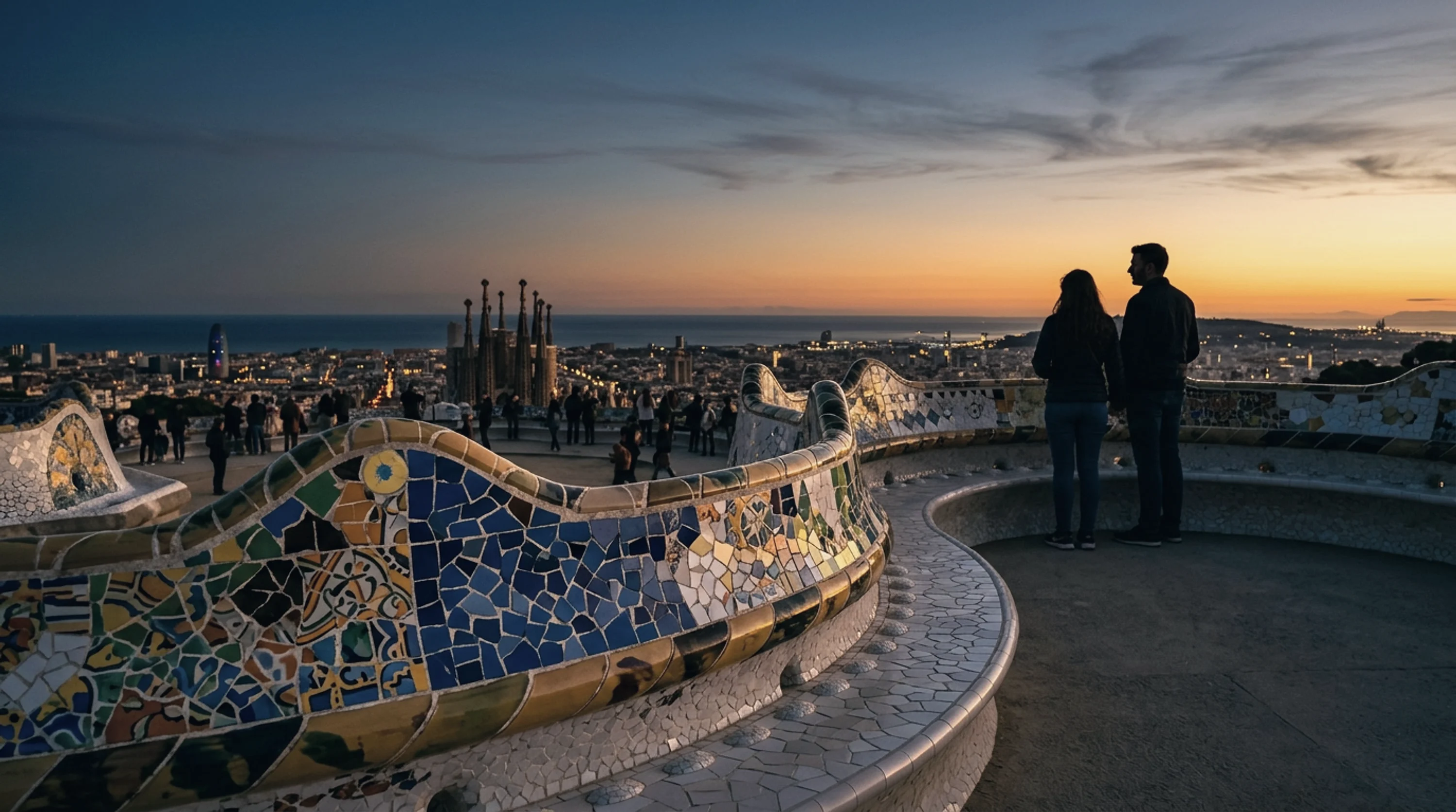
customised itineraries can be useful here, especially when the standard route does not match your interests. A good custom plan still needs a clear structure. Instead of asking for everything, choose a few fixed points and leave the rest flexible. That approach gives the guide room to adjust the pace while keeping the day focused.
Assess the guide and the level of local insight
The guide sets the tone of a private tour. Look for descriptions that explain the style of guiding, not only the places covered. Some tours lean toward historical detail, others toward stories, architecture or everyday life. Neither is automatically better. The right style is the one that matches how your group likes to listen.
local guide expertise often shows up in small choices: which street to use to avoid a crowded corner, where to pause for a view, how to connect a building to the wider story of the city. It is reasonable to ask how the guide adapts the route for different ages, languages or levels of familiarity. A clear answer suggests a plan built around people rather than a script recited at each stop.
Language is worth checking early. If the tour is sold in several languages, confirm which language applies to your booking. For mixed groups, ask how questions are handled and whether the guide can switch between languages without reducing the content. Good communication before the tour often reflects the way the day itself will be managed.
Compare comfort, timing and hidden constraints
Comfort is not a luxury detail in Barcelona. Distance, shade, hills and crowded pavements all affect how a tour feels. Ask about the total walking distance, whether there are steep sections and where seating is available. Public transport and taxis can help, but they also add waiting time. A private chauffeur can make a longer route smoother, particularly when several districts are included or when the group wants a comfortable transfer between stops.
Check the start time against the rest of your day. Early starts can be pleasant in central areas, while late afternoon light suits photography and open spaces. Avoid booking a route that ends far from where you plan to be next. The best tours fit into a trip without forcing a difficult transition afterwards.
Weather also deserves a place in the decision. Barcelona can be warm and bright, and a route with little shade may feel tiring at midday. If the plan is mostly outdoors, look for breaks in cafes, museums or shaded streets. If rain is likely, ask which parts of the route can be adjusted without losing the main purpose of the tour.
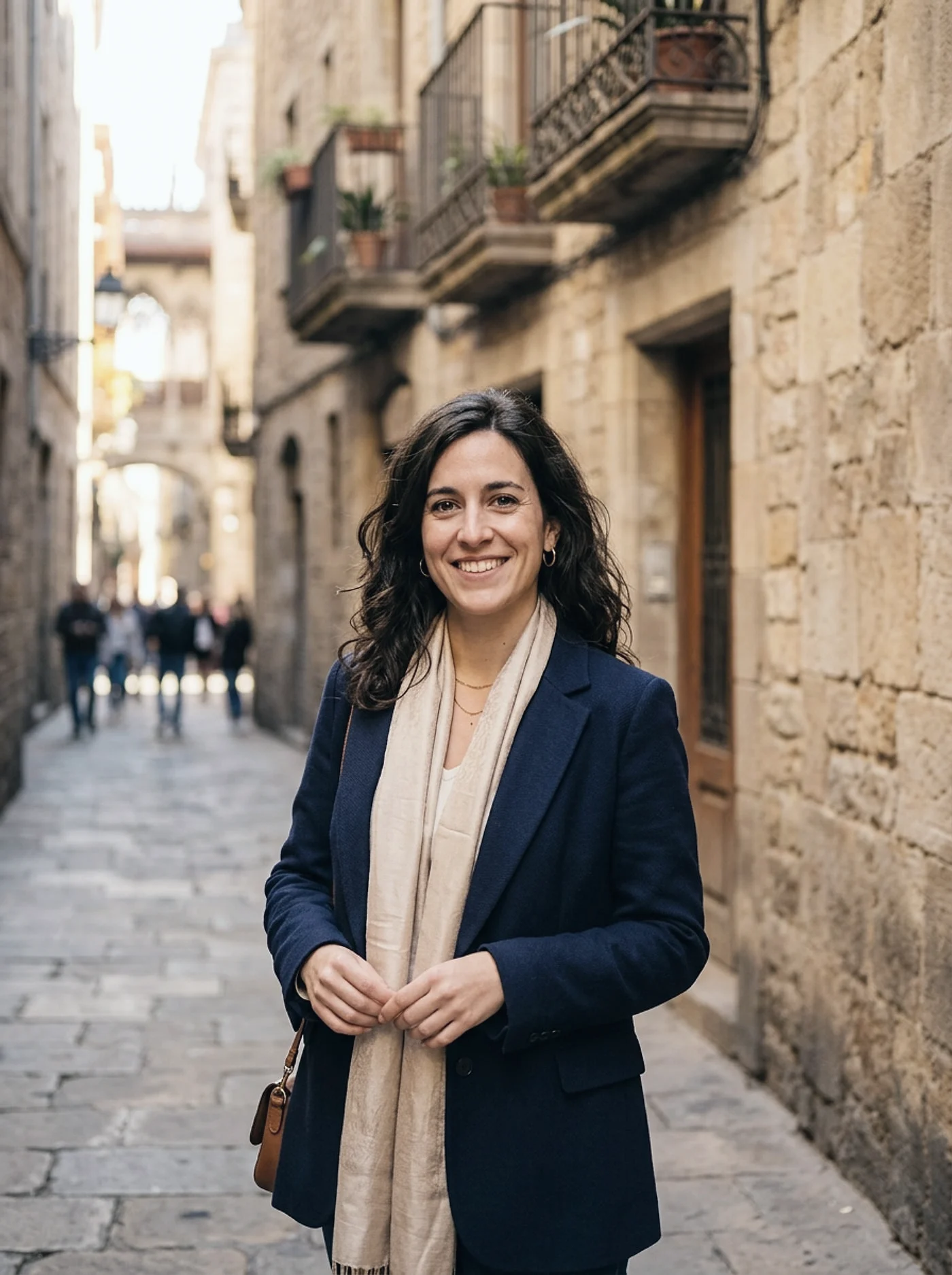
Use a short final comparison
By this stage, the choice usually narrows to a few options. Compare them against the priorities you wrote at the start, not against the longest list of sights. A useful final pass covers four points:
- Whether the route matches your main reason for booking
- Whether the pace, distance and format suit the group
- Whether inclusions, entry arrangements and breaks are clearly stated
- Whether the guiding style and language fit your expectations
When two tours look equally strong, choose the one with the clearer plan. Specific meeting details, sensible stop lengths and honest notes about access are more useful than vague descriptions of an unforgettable experience. The aim is a day that feels well held together, with enough structure to make the city understandable and enough space to enjoy it.
A private tour works best when it gives your group room to ask questions, pause and follow curiosity without losing the thread of the route. Take the time to match the format to your priorities, read the itinerary as a real sequence and clarify the details that affect the day. The result is a tour that feels chosen with care rather than simply booked.